Orthodontics
Braces, Clear Aligners and Everything In Between: A Straightforward Guide
Written by: The Caddens Dental Bar Team · Updated August 2026 · 7 min read
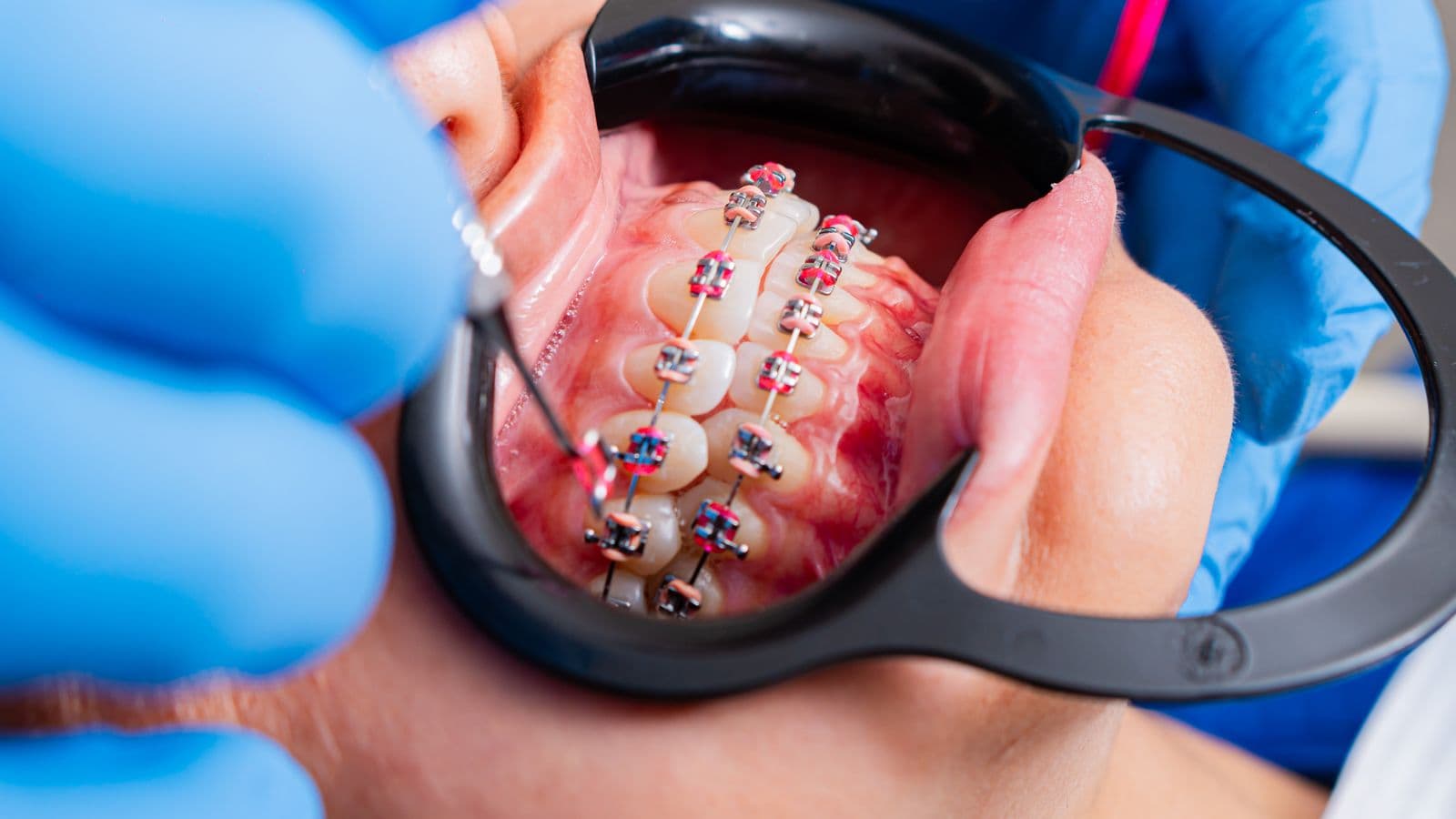
Straightening teeth used to mean one thing: metal brackets and a mouth full of wire.
These days there are several genuinely different ways to do it, each with its own trade-offs in cost, visibility and day-to-day commitment.
This guide walks through how each option works, what treatment actually involves, and where to start if you think you or your child might need one.
Key Takeaways
- +Straighter teeth aren't just cosmetic — a misaligned bite makes teeth harder to clean and can strain your jaw over time
- +There's no single 'best' brace — metal, ceramic, lingual and clear aligners each suit different budgets, priorities and case complexity
- +Treatment typically runs 12–24 months (up to 3 years for complex cases per Healthdirect), followed by a retainer phase of similar length
- +Health funds often rebate part of the cost — CHOICE reports an average benefit around $1,096, ranging $300–$3,600 depending on your policy
- +The Caddens Dental Bar doesn't provide orthodontic treatment in-house, but a regular check-up is exactly where bite and crowding issues get picked up
Why Crooked Teeth Are More Than a Cosmetic Issue
Beyond how your smile looks, misaligned teeth and an uneven bite create problems that tend to compound over time.
- +Crowded or overlapping teeth trap plaque in spots a toothbrush can't reach properly
- +An uneven bite — overbite, underbite or crossbite — can wear teeth down unevenly and strain the jaw joint
- +Gaps or teeth that have shifted, often after a previous extraction, can affect chewing and speech
- +Left alone, these issues tend to get harder to correct as you get older, not easier
The Main Types, and How They Actually Differ
Every option moves teeth using the same basic principle — gentle, sustained pressure over time — but they differ a lot in visibility, cost and daily commitment.

Metal Braces — The Reliable Standard
Stainless steel brackets bonded to each tooth, connected by an archwire that's adjusted at regular visits — some modern systems use a sliding clip instead of elastic ties, which can mean fewer adjustment appointments. Metal is generally the most affordable option and can treat almost any case, from mild crowding to a complex bite correction. The trade-off is visibility — there's no hiding them.
Ceramic Braces — Same Mechanics, Less Visible
Ceramic braces work identically to metal ones, just with tooth-coloured or clear brackets that blend in more. They're a popular middle ground for people who want a fixed brace without it being the first thing people notice — though the brackets and ties can pick up staining from coffee, tea or curry over time.
Lingual Braces — Fixed but Hidden
These sit on the back, tongue-facing side of your teeth rather than the front, so they're invisible from the outside. They take longer to adjust to, particularly for speech, and are the most technically demanding to fit and adjust — which shows up in the price. Not every practice offers them.
Clear Aligners — Removable, But Only If You're Disciplined
A series of custom, transparent trays swapped out every one to two weeks, each nudging your teeth slightly further into place. They're removable for eating and cleaning, which is a genuine lifestyle advantage, but only work if worn 20 to 22 hours a day — skipping that adds time rather than saving it. They suit mild to moderate cases best; more complex bite corrections usually still need fixed braces.
The Risk of Skipping Professional Treatment
It's tempting to consider mail-order aligner kits or DIY straightening methods advertised online, but health authorities are consistent on this point.
- +DIY teeth-straightening without a dentist's assessment and supervision can damage teeth, gums and jaw joints
- +Whatever method you use, braces and aligners create extra surfaces for plaque to build up
- +Skipping cleaning around brackets or aligners raises the risk of permanent white marks that only show up once treatment is finished
- +Regular check-ups roughly every 6 to 8 weeks during treatment let a professional catch problems early
Braces and Aligners at a Glance
Most people complete active treatment in 12 to 24 months, though Healthdirect notes complex cases can run up to 3 years — followed by a retainer phase of similar length to hold the result. Private health extras cover often contributes something toward the cost: CHOICE reports an average benefit around $1,096, ranging $300 to $3,600 depending on your policy and any waiting period.
The Caddens Dental Bar doesn't provide orthodontic treatment in-house, so we can't quote you a price for any of these — but we're happy to flag whether your teeth would benefit from it at your next check-up, and point you toward a specialist we trust.
| Type | Visibility | Removable? |
|---|---|---|
| Metal braces | Most visible | No — fixed |
| Ceramic braces | Subtle, tooth-coloured | No — fixed |
| Lingual braces | Hidden behind teeth | No — fixed |
| Clear aligners | Nearly invisible | Yes |
Getting Ready to Bring It Up at Your Check-Up
If you think braces might be worth exploring, for yourself or your child, here's how to make the most of the conversation.
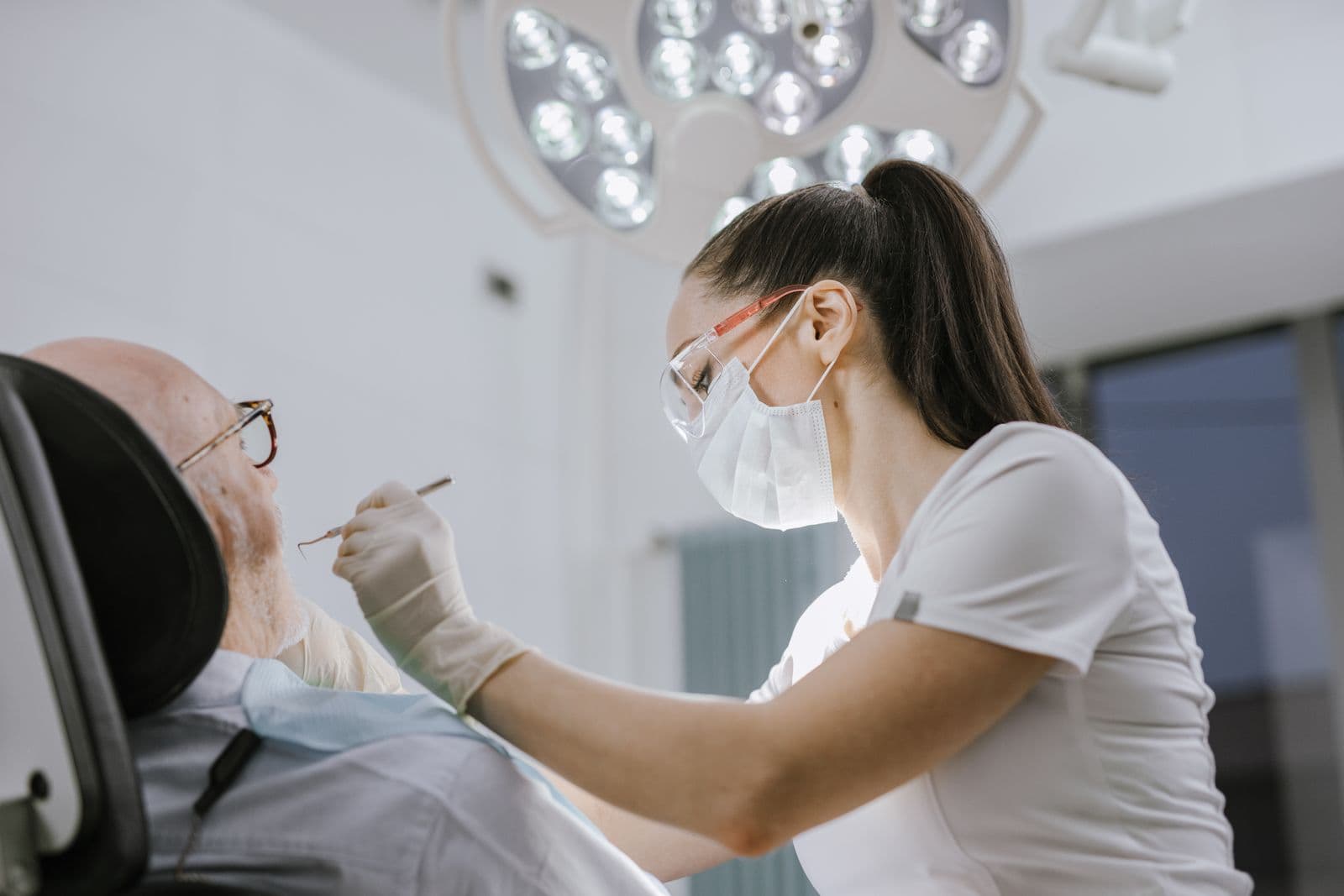
- +Mention any crowding, gaps or bite issues you've noticed, even if they don't bother you day-to-day
- +If it's for a child, ask when the right time to see an orthodontist actually is — earlier isn't always better
- +Bring your health fund card so we can point you to what to check with them about orthodontic cover and waiting periods
- +Ask about the Child Dental Benefits Schedule if your child is eligible — it doesn't cover orthodontic treatment itself, but it's worth knowing what it does cover alongside it
- +If you're already comparing quotes from a specific clinic or aligner brand, bring them along so we can help you make sense of them
Common Questions
Related
Please note: This article is general information only, not a substitute for a professional orthodontic assessment — suitability, timelines and costs vary by individual case and provider.