Restorative Dentistry
Dental Crown or Dental Implant? How to Tell Which One You Actually Need
Written by: The Caddens Dental Bar Team · Updated August 2026 · 7 min read
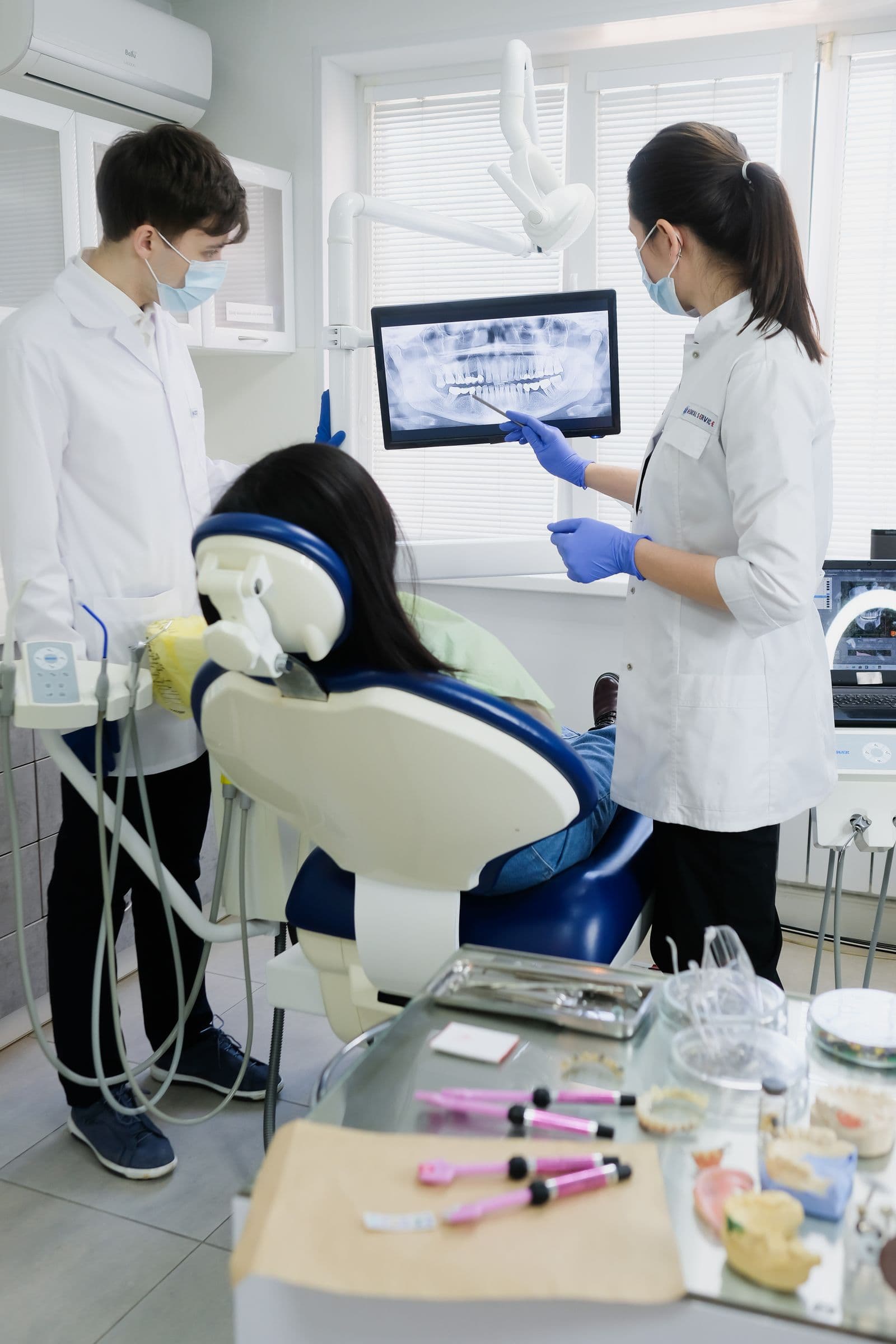
"Do I need a crown or an implant?" is one of the most common questions we hear at a consultation.
The honest answer is that your tooth usually decides for you.
The two treatments solve completely different problems — once you know which situation you're in, the choice tends to make itself.
Here's the question that actually matters, what each option costs in Australia, and what happens if you leave a damaged or missing tooth untreated.
Key Takeaways
- +The deciding factor is almost always whether your natural tooth root is still there and healthy — not personal preference
- +A crown caps what remains of your own tooth; an implant replaces the entire tooth, root included, with a titanium post
- +Per CHOICE's reporting on ADA fee survey data, a crown averages around $1,678 (range $1,250–$2,100), while a single implant typically runs several thousand dollars more once the post, abutment and crown are all added up
- +Both can last well over a decade with good care, but only an implant stops the jawbone underneath a missing tooth from shrinking over time
The One Question That Actually Decides It
Before cost or appearance come into it, there's a single clinical question your dentist asks first: is the natural root of your tooth still there, and is it healthy enough to keep? Everything else follows from the answer.
Choose a Crown When Your Root Is Still Good
If your tooth is cracked, badly decayed, discoloured, or has just been through root canal treatment, but the root underneath is sound, a crown is almost always the better call. It's faster, less invasive, and there's no reason to remove a tooth your body is still holding onto perfectly well.
Choose an Implant When the Tooth Is Gone or Unsalvageable
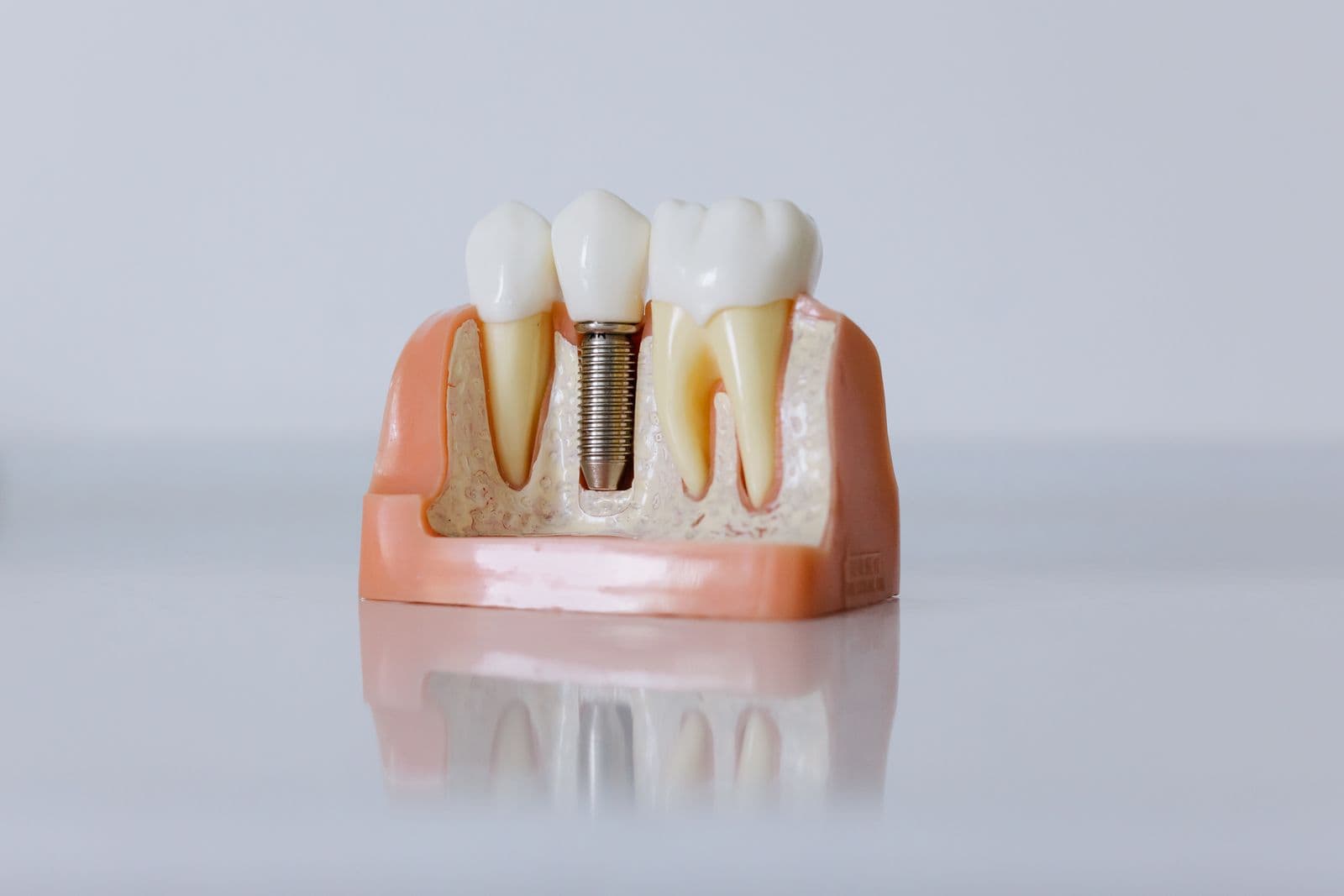
Once a tooth has already been lost, or decay and infection have destroyed the root beyond repair, a crown has nothing left to sit on. That's when a dental implant — a titanium post that replaces the root itself — becomes the only option that restores full function rather than just appearance.
What Each Procedure Actually Involves
The two treatments look nothing alike in the chair, mainly because one works with a tooth you already have and the other builds a new one from the jawbone up.
Getting a Crown
Your dentist reshapes the damaged tooth, takes an impression or digital scan, and fits a temporary crown while your permanent one is crafted — ours are made by Sydney ceramicists and shade-matched to blend with your smile. Most patients are in and out in two appointments, usually a week or two apart, and there's no surgery involved.
Getting an Implant
An implant happens in stages over several months, not one visit. First, imaging maps your jawbone and plans the exact implant position. A titanium post is then placed under local anaesthetic — this is the part that replaces the missing root. Over roughly three to six months, your bone fuses naturally around the post in a process called osseointegration, after which an abutment and a custom porcelain crown complete the tooth.
What Happens If You Do Nothing
A damaged tooth that's just left alone tends to get worse, not stay the same — and a missing tooth causes problems well beyond the empty gap.
- +Decay or a crack can spread deeper, eventually threatening the root and turning a simple crown into an extraction
- +Neighbouring teeth gradually drift into the empty space, throwing off your bite
- +The jawbone beneath a missing tooth shrinks over time without a root there to stimulate it
- +Your bite shifts, which can add extra wear to the teeth doing the extra work
- +Gaps make it harder to clean effectively, raising the risk of decay and gum disease nearby
Crown vs Implant, Side by Side
According to CHOICE's reporting on Australian Dental Association fee survey data, a full veneered crown averages around $1,678 nationally, typically ranging $1,250 to $2,100. A single implant is priced in stages — inserting the titanium post averages $1,334 to $3,000, and fitting the abutment that connects it to the crown averages a further $400 to $1,404 — so a complete implant, once the crown itself is added, commonly lands well above the cost of a crown alone. Fees vary by practice, location and case complexity, so treat these as a general guide rather than a quote.
We offer complimentary consultations to give you an accurate quote for your specific tooth, and interest-free payment plans are available either way if cost is a deciding factor.
| Factor | Dental Crown | Dental Implant |
|---|---|---|
| Needs your natural root | Yes — the root stays in place | No — it replaces the root entirely |
| Typical timeline | 2 appointments, 1–2 weeks apart | 3–9 months in total, across several visits |
| Preserves the jawbone | Only if the root underneath is healthy | Yes — the titanium post stimulates bone like a natural root |
| Average cost (national)* | ~$1,678 ($1,250–$2,100) | Typically several thousand dollars more, once post, abutment and crown are combined |
| Expected lifespan | 10–15+ years with good care | The implant post can last a lifetime; the crown may need replacing after 10–15 years |
Getting Ready for Your Consultation
A quick exam and a set of x-rays are usually all it takes to know which option applies to you. A few things help the appointment go smoothly.
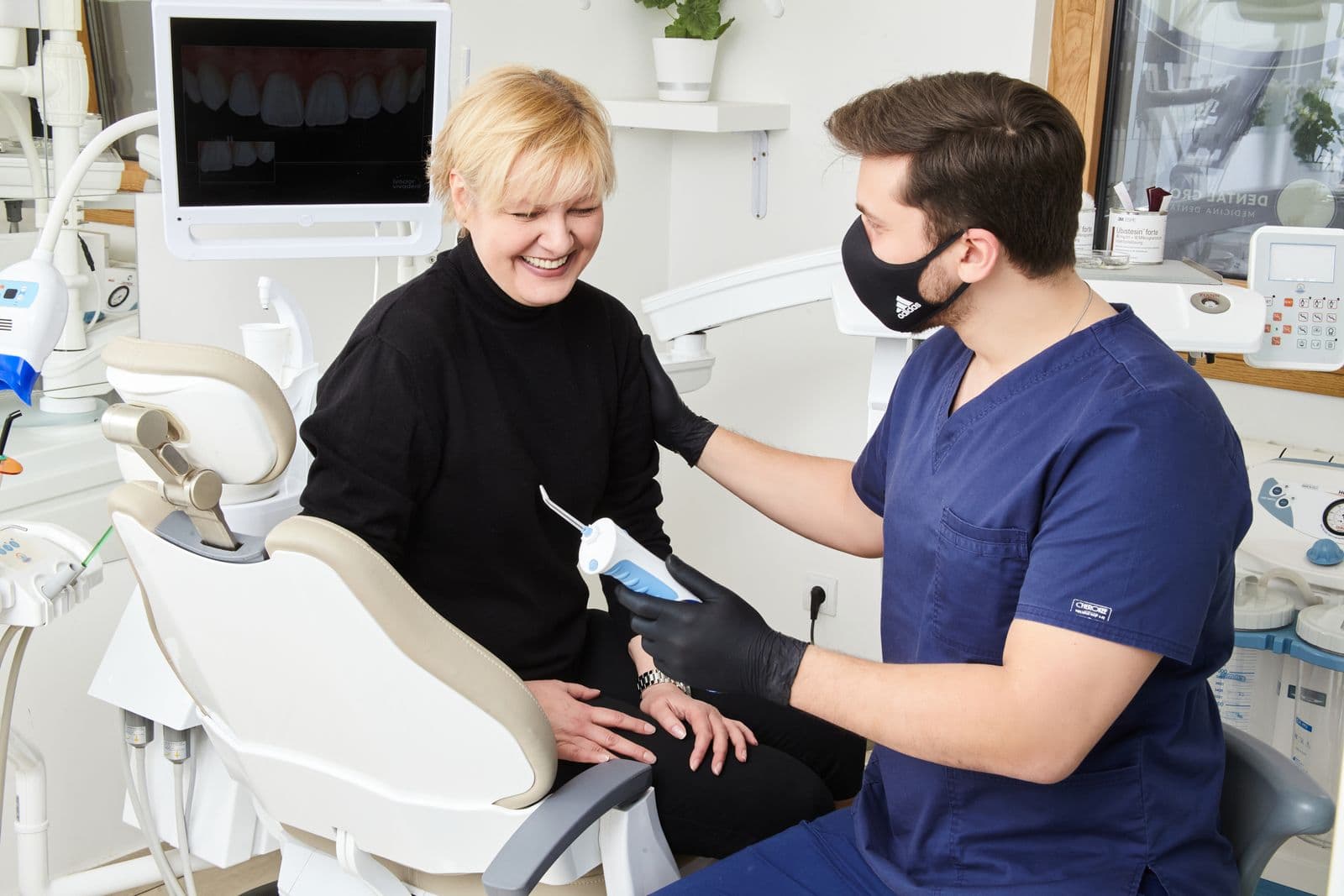
- +Mention any pain, sensitivity or a specific tooth that prompted the visit
- +Let us know if you smoke, have diabetes, osteoporosis or a bleeding disorder — these affect implant healing and are worth flagging early
- +Bring your health fund card if you want an on-the-spot HICAPS estimate
- +Ask about payment plans if cost is likely to influence your decision
- +If it's for a tooth that's already had a root canal, mention that too — it usually points straight to a crown
Common Questions
Related
Please note: Costs, timelines and suitability vary by individual case and change over time — always confirm current details with your dentist before deciding.