Restorative Dentistry
Root Canal Cost in Australia: Prices, Cover & Payment Options
Written by: The Caddens Dental Bar Team · Updated October 2026 · 11 min read
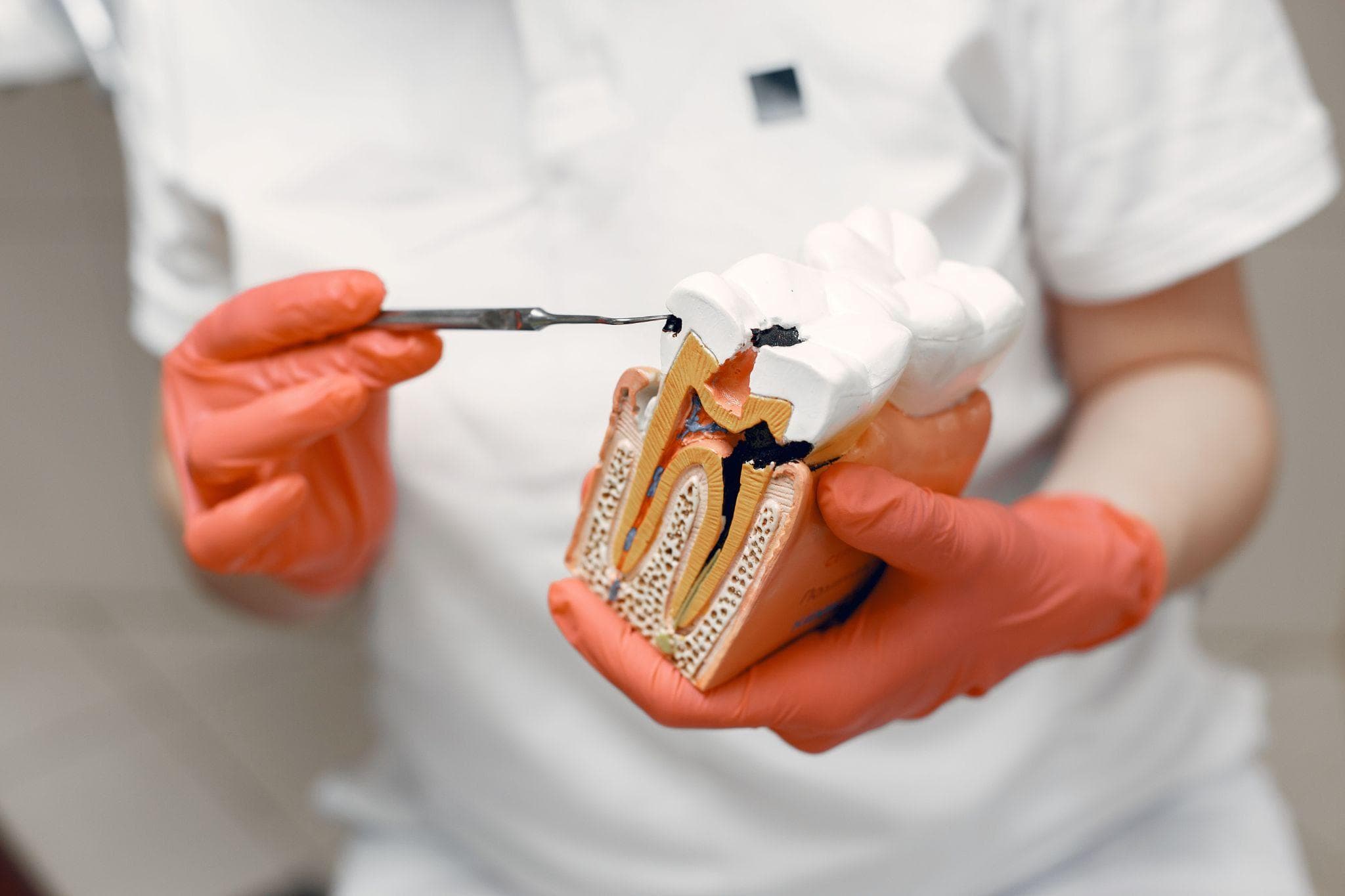
Saving a damaged tooth can be costly, but knowing what to expect can make planning for treatment easier.
Root canal cost in Australia generally ranges from around $900 to $3,400 per tooth, depending on the tooth being treated, the number of root canals involved and the complexity of the procedure. A dental crown, if required, is usually charged separately and can increase the total treatment cost. Knowing what affects root canal treatment costs can help patients plan ahead and avoid unexpected expenses. This guide covers typical Australian prices, additional fees, Medicare and private health insurance coverage, and available payment options.
Key Takeaways
- +Root canal cost in Australia generally ranges from around $900 to $3,400 per tooth, depending on the tooth, the number of canals and the complexity of the procedure
- +A dental crown, if required, is usually charged separately and can add approximately $1,500 to $2,500 to the total
- +Medicare generally does not cover routine adult root canal treatment, but eligible children may receive benefits under the CDBS, and some private health insurance policies can contribute
- +Payment plans are available at The Caddens Dental Bar: DentiCare SmileNow for treatment up to $2,000 and DentiCare Plus for treatment over $2,000 and up to $12,000 (subject to approval)
How much does a root canal cost in Australia?
The cost of a root canal in Australia typically ranges from $900 to $3,400 for the procedure itself, based on indicative 2026 pricing guides. Front teeth generally cost less to treat than molars because they usually have fewer canals.
The following table provides indicative private dental treatment prices in Australia for 2026. These are general estimates rather than fixed fees, and individual quotes may fall outside these ranges.
| Tooth type | Typical cost (AUD) | Canal complexity | Why prices vary |
|---|---|---|---|
| Front tooth | $900 to $1,500 | Usually one canal | Simpler access and anatomy |
| Premolar | $1,200 to $1,800 | Often one or two canals | Varying root structures |
| Molar | $1,500 to $3,400 | Usually three or more canals | More complex cleaning and sealing |
| Complex or specialist case | $2,800 to $3,700+ | Varies | Additional expertise and treatment difficulty |
A crown may add approximately $1,500 to $2,500, depending on the material and clinic. Consequently, comparing treatment-only prices may not give an accurate picture of the final bill.
Why do front teeth usually cost less than molars?
Front teeth generally have simpler canal structures, making them easier to access and treat. Molars are located further back in the mouth and commonly contain multiple narrow or curved canals that require more time and precision.
For example, a molar root canal with three canals will generally involve more work than treating a single-canal front tooth. The exact price depends on the individual anatomy and clinical findings.
Do root canal prices vary between Australian cities?
Root canal prices can vary between Sydney, Melbourne, Brisbane and other Australian locations because clinics set their own fees. Differences in operating expenses, specialist availability and treatment complexity can also affect pricing.
However, location alone does not determine whether a quote is reasonable. An itemised estimate provides a more useful comparison than a general city-wide average.
What factors affect root canal treatment costs?
Several factors influence the price of root canal treatment, particularly the condition of the tooth and the amount of work needed to remove infected tissue. Understanding these factors helps explain why two patients may receive different quotes for the same dental procedure.
Number and shape of root canals
Teeth with multiple canals generally require more time to clean, disinfect and seal. Curved, narrow or difficult-to-locate canals may also increase the complexity of the procedure.
Severity of infection or tooth damage
Deep decay, cracks and damaged pulp can complicate treatment. Root canal infections that have spread around the root may require additional assessment or more appointments.
Dentist or specialist treatment
A general dentist can perform many routine root canals, while complicated cases may require referral to an endodontist. Specialist treatment may involve higher fees due to the complexity of care and equipment used.
Additional appointments and restoration
Some root canals can be completed in one visit, while others require multiple appointments. If a temporary filling, additional X-ray or dental crown is needed, these services may increase the overall cost.
What additional costs should patients expect?
Additional costs may include examinations, imaging, temporary restorations and a permanent crown. These services are not always included in an advertised root canal fee, so patients should confirm exactly what a treatment estimate covers.
| Additional service | When it may be needed | Cost consideration |
|---|---|---|
| Dental examination | Before treatment | May be billed separately |
| Dental X-ray | Diagnosis and assessment | Depends on imaging required |
| Temporary filling | Between treatment visits | May be included or separate |
| Permanent filling | After canal treatment | Depends on the restoration |
| Dental crown | To protect weakened teeth | Often a separate major expense |
Is a dental crown always necessary after a root canal?
A dental crown is not always necessary after root canal treatment. The decision depends on the tooth’s position, remaining tooth structure and risk of fracture.
Back teeth generally experience greater chewing forces and may benefit from a crown or another protective restoration. A root canal without a crown may be appropriate for some front teeth with sufficient healthy structure.
How can an itemised quote prevent unexpected costs?
An itemised quote separates the cost of root canal therapy from examinations, restorations and other procedures. It also helps identify whether the estimate covers every appointment or only one stage.
Patients can then compare the full treatment plan rather than choosing a clinic based on the lowest initial price.
Does Medicare or private health insurance cover root canal treatment?
Medicare generally does not cover routine root canal treatment for adults in private dental clinics. However, eligible children may receive benefits under the Child Dental Benefits Schedule (CDBS), while some private health insurance policies can contribute towards treatment costs.

Medicare and the Child Dental Benefits Schedule
The CDBS provides eligible children aged 0 to 17 with assistance for certain dental services, including root canals. For a benefit period starting in 2026, the maximum benefit is $1,158 over two consecutive calendar years, subject to eligibility, available balance and service restrictions.
The amount is indexed annually, so the applicable cap depends on when the child’s benefit period began. Not every procedure or treatment circumstance is automatically covered.
Private health insurance and major dental cover
Private health insurance may help cover root canal treatment when the policy includes suitable extras benefits. Depending on the health fund and policy, endodontic treatment may be classified under major dental or another relevant category.
Rebates depend on waiting periods, annual limits, recognised item numbers and the level of cover. Insurance plans may cover part of the procedure without covering the full cost of a subsequent crown.
Public dental services
Public dental services may offer subsidised care to eligible patients, although eligibility and treatment availability vary by state. In New South Wales, public dental access generally depends on factors such as age and concession eligibility.
Public services may also have waiting lists and clinical priority criteria. Not every case will qualify for root canal treatment through the public system.
What payment options are available for root canal treatment?
Root canal treatment can be paid for through upfront payment, eligible health insurance rebates or payment arrangements offered by individual dental clinics. The most suitable option depends on the quoted treatment cost and the patient’s financial circumstances.
| Payment option | How it works | Best suited for | Where to arrange |
|---|---|---|---|
| Upfront payment | Full amount paid to the clinic | Patients paying directly | Dental clinic |
| Private health insurance | Eligible rebate applied to covered services | Patients with extras cover | Health fund and dental clinic |
| DentiCare SmileNow | Treatment up to $2,000 spread over 12 to 20 weeks, with no interest (subject to approval) | Patients with smaller treatment costs | The Caddens Dental Bar |
| DentiCare Plus | Treatment over $2,000 and up to $12,000 spread over up to 24 months interest free, with a 20% deposit and $39 setup fee (subject to approval) | Patients with larger treatment plans | The Caddens Dental Bar |
Payment services have eligibility requirements, account limits and terms. Interest, late fees or other charges may apply depending on the provider, product and repayment conditions.
How can patients reduce out-of-pocket expenses?
Patients can better manage dental treatment costs by checking health fund benefits and requesting a full written estimate. Comparing the total cost, including the final restoration, is more useful than comparing root canal fees alone.
It can also help to ask whether appointments are billed separately and whether any payment arrangement is available. Delaying treatment solely to avoid an immediate expense can allow an existing infection to progress.
What happens during a root canal procedure?
A root canal is a dental procedure used to remove inflamed or infected pulp from inside a tooth, clean the canals and seal the space. The treatment, also known as endodontic treatment, aims to preserve the natural tooth and prevent further infection.
Healthdirect Australia explains that root canal treatment can require more than one visit and is usually followed by a filling or crown to restore the tooth.

Step 1: Examination and diagnosis
The dentist examines the affected area and may take an X-ray to assess the roots and surrounding tissues. This helps determine whether root canal treatment is suitable or if another approach is needed.
Step 2: Anaesthetic and pulp removal
Local anaesthetic is used to numb the treatment area before an opening is made in the tooth. The damaged or infected pulp is then removed from the pulp chamber and root canals.
Step 3: Cleaning and sealing
The canals are carefully cleaned, shaped and disinfected. Once prepared, they are filled and sealed to reduce the risk of bacteria entering again.
Step 4: Final tooth restoration
A permanent filling or crown is placed to restore function and protect the treated tooth. The choice of restoration depends on how much healthy structure remains and the forces the tooth must withstand.
Is root canal treatment better than tooth extraction?
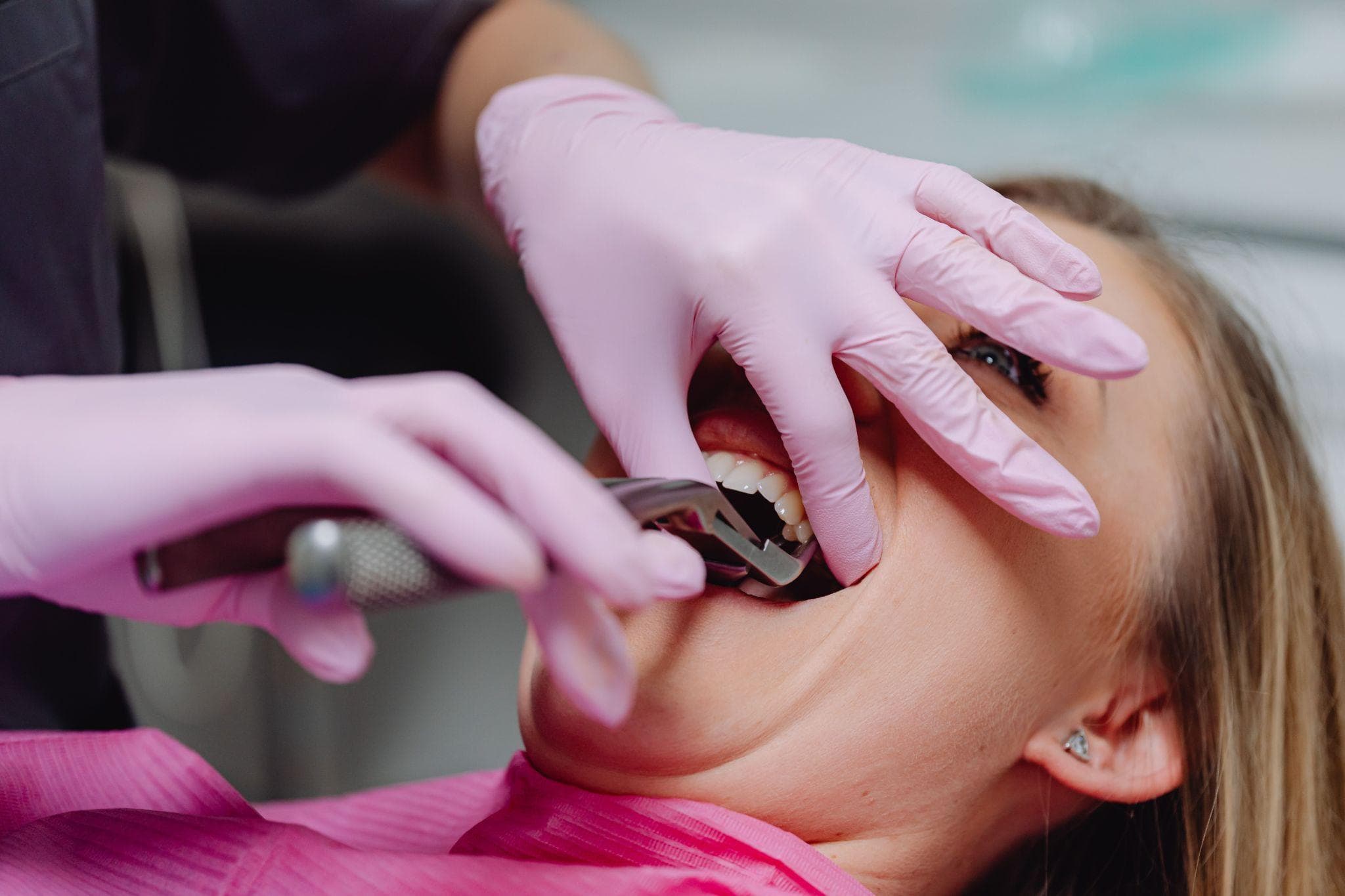
Root canal treatment is often preferred when an infected tooth can be successfully restored because it preserves the natural tooth and supports normal chewing. Tooth extraction may be necessary when the tooth is too damaged to repair or has an unsuitable long-term prognosis.
Benefits of keeping the natural tooth
Preserving a natural tooth can help maintain normal chewing and avoid a gap in the mouth. Successful treatment may also reduce the need for more extensive dental work, such as replacing a missing tooth.
Comparing treatment and replacement costs
Tooth extraction may have a lower initial fee than root canal treatment. However, replacing a missing tooth with a bridge or dental implant can add substantial costs, making the longer-term comparison more complicated.
The decision should consider tooth condition, prognosis, available treatment options and total anticipated expenses rather than the initial price alone.
What symptoms may mean a root canal is needed?
Root canal symptoms can include persistent tooth pain, prolonged sensitivity to temperature, swelling or discomfort when biting. These signs may indicate inflammation or infection inside a tooth, although an examination is needed to establish the cause.
Common warning signs include:
- +Persistent or throbbing pain around one tooth
- +Sensitivity to hot or cold that lingers
- +Swollen or tender gums near the affected tooth
- +Pain or pressure when chewing
- +Darkening of a tooth after injury
- +A pimple-like swelling on the gum
Some infected teeth cause little or no pain. A dental assessment is therefore important when signs of infection appear, even if discomfort temporarily improves.
Facial swelling accompanied by fever, or difficulty swallowing or breathing, requires urgent medical assessment.
Planning for root canal treatment costs
Root canal treatment in Australia can represent a significant expense, particularly when a molar requires complex treatment or a crown. The most reliable way to understand the cost is to have the tooth assessed and request a complete estimate covering both treatment and restoration.
At The Caddens Dental Bar, we assess the condition of the affected tooth and explain the available treatment options before proceeding. Patients considering root canal treatment at The Caddens Dental Bar can book an examination to discuss suitable care, expected fees and payment arrangements.
Common Questions
Related
Please note: Prices are indicative only, based on general 2026 pricing guides, and individual quotes may fall outside these ranges. Medicare, health fund and payment plan terms change, so confirm current details with your dentist and provider. Facial swelling with fever, or difficulty swallowing or breathing, needs urgent medical assessment.