Advanced Dentistry
Wisdom Teeth: Do They Really Need to Come Out? A Before, During and After Guide
Written by: The Caddens Dental Bar Team · Updated September 2026 · 8 min read
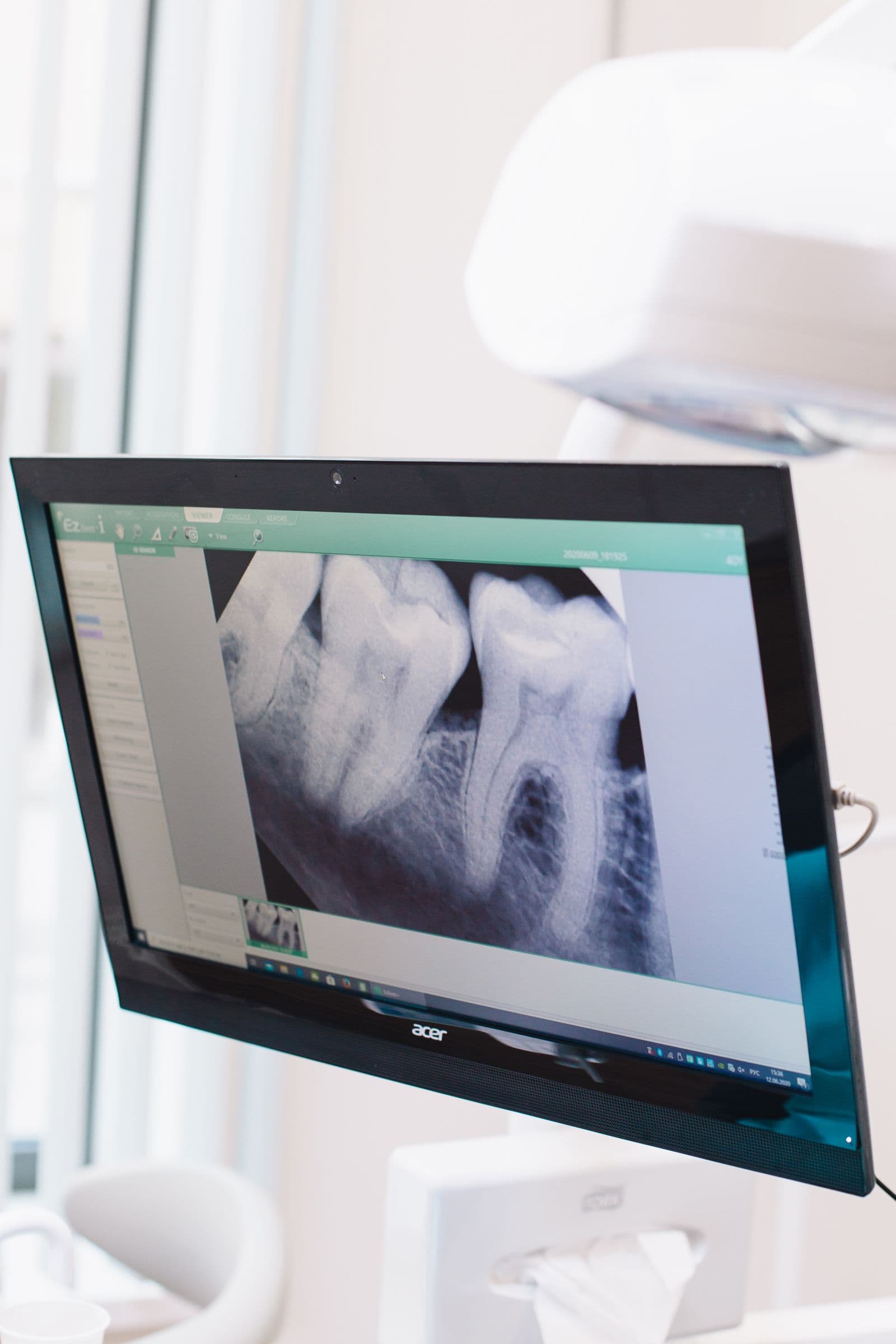
A lot of people assume wisdom teeth always have to come out.
They don't — some sit quietly for life, while others cause repeated infections, decay or damage to the tooth in front.
This guide walks through it in order: how to tell whether yours need to go, what happens on the day, and what the days afterwards genuinely feel like.
Key Takeaways
- +Wisdom teeth only need to come out when they're causing, or likely to cause, a problem — a healthy one you can clean properly can simply be monitored
- +Upper wisdom teeth usually come out comfortably with local anaesthetic alone; lower ones are often trickier, and sedation can be offered when a case looks difficult
- +Most people go home the same day and are back to their normal routine within about a week, though full healing of the socket can stretch to two weeks
- +Dry socket affects roughly 1 in 20 extractions and is more common with lower wisdom teeth — severe throbbing pain a day or three afterwards is the warning sign
- +CHOICE, citing ADA fee survey data, puts a simple case at roughly $149 to $300 for each tooth at a regular dentist — we quote after an examination and X-ray
Before: Working Out Whether Yours Actually Need to Go
Wisdom teeth normally come through in your late teens or early twenties, and they're the teeth most likely to run out of room. When there's no space, a tooth can get stuck against bone or the tooth beside it — dentists call this impacted — and when a wisdom tooth only partly comes through, the gum can overhang it and trap food and bacteria.
Healthdirect notes that lower wisdom teeth take longer to come through and are more likely to be impacted, which makes repeated infections more likely. It lists these as the usual reasons for removal:
- +Repeated or serious infection of the gum around the tooth
- +Decay in the wisdom tooth, or in the tooth next to it
- +A tooth that over-erupts and rubs against or damages the cheek or gum
- +A position that makes the tooth too difficult to clean properly
- +A cyst or other problem in the jaw nearby
- +Planned jaw or orthodontic treatment that needs the space
When watching and waiting is the right call
If a wisdom tooth has enough space, stays easy to keep clean and isn't affecting the tooth beside it, there's usually no need to take it out. We'd rather keep an eye on it at your check-ups, and take an X-ray when its position can't be judged by eye, than recommend surgery without a clear reason.
Gentler options before surgery
For mild symptoms, simple painkillers can help, and antibiotics or rinsing with warm salty water or chlorhexidine mouthwash can settle an infected flap of gum. In some cases there are two smaller surgical alternatives to full removal — taking away just the gum covering the tooth, or just the crown of the tooth. Which, if any, suits you is a decision for your dentist or surgeon after your X-ray.
Why waiting isn't always safe
If a problem tooth is left, symptoms can return or get worse, and there's a risk of a serious infection. If pain or swelling is building, see us sooner rather than later, and read our tooth abscess guide for the warning signs.
During: What Happens at the Appointment
Everything starts with an examination and an X-ray, which show how the tooth is sitting, how long its roots are and how close it is to nearby structures. At The Caddens Dental Bar we take panoramic X-rays, so we can see all four wisdom teeth in one picture.
On the day, the area is numbed with local anaesthetic, so you'll feel pressure and movement but not pain.
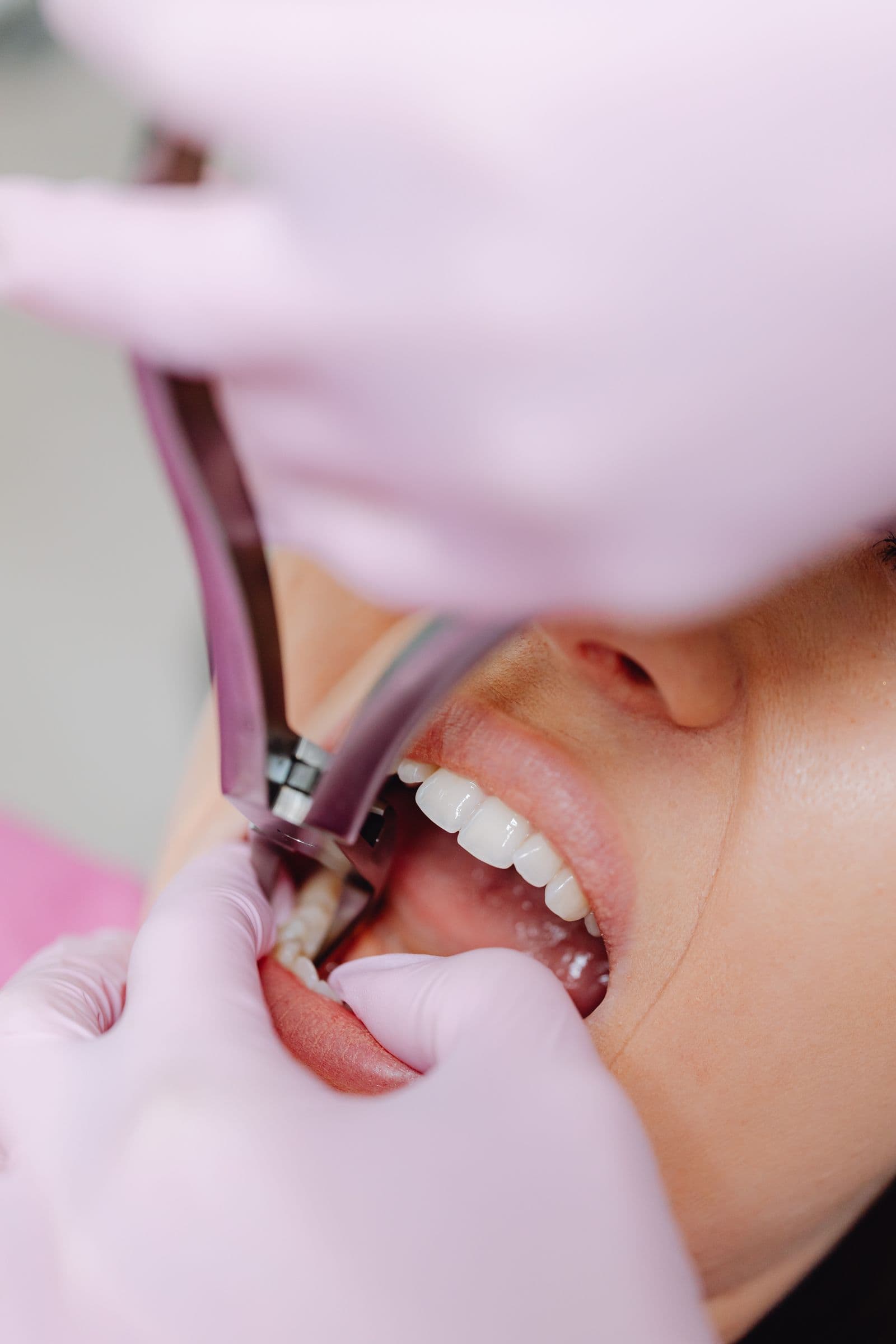
A straightforward extraction
If the tooth has come through far enough to reach easily, the dentist loosens it and lifts it out with forceps. The socket is then cleaned, and you'll be asked to bite on gauze to control any bleeding.
When the tooth is impacted
A tooth trapped under gum or bone takes more work. The dentist may make a small cut in the gum, remove a little of the bone around the tooth and, if needed, divide the tooth into smaller pieces so it comes out safely. The gum is then closed with stitches if required.
Local, sedation or general anaesthetic
Upper wisdom teeth are usually the easier ones and tend to come out comfortably with local anaesthetic alone. Lower teeth can be trickier, so Healthdirect notes that sedation can be offered when a case looks difficult, and the most complicated cases are managed under general anaesthetic in hospital. Here, wisdom teeth are removed under local anaesthetic — and if your X-ray points to a different setting being safer or more comfortable, we'll tell you plainly.
After: What Recovery Actually Feels Like
You should be able to go home the same day. Healthdirect suggests planning for as much as a week away from work, with most people back to their usual routine inside that time, although the socket itself can take up to a fortnight to heal fully. It's normal for the area to be sore and swollen, and to bleed a little, for the first few days.
For the first 24 hours, Healthdirect's extraction advice is simple:
- +Try not to rinse your mouth — it can wash away the blood clot that protects the socket
- +Rest, and skip physical sport
- +Don't smoke and don't drink alcohol
- +Stick to soft foods, and chew on the other side of your mouth
- +Rest with your head slightly raised rather than lying flat
- +After 24 hours, gently rinse after meals and before bed with half a teaspoon of salt in a glass of lukewarm water
Dry socket: the one complication worth knowing about
Dry socket happens when the blood clot is lost or doesn't form well, leaving bone and nerve exposed. Healthdirect reports that roughly one extraction in twenty ends up with dry socket, with lower wisdom teeth carrying the higher risk — particularly if you smoke or the extraction was difficult. The giveaway is severe, ongoing throbbing pain within one to three days — sometimes reaching the ear or eye on the same side — frequently with a bad taste or bad breath. It's very treatable: your dentist can flush out the socket and place a medicated dressing, so call us rather than waiting it out.
When to call us
Contact us if you have very bad pain that isn't settling, a lot of bleeding, a temperature over 38°C, or swelling that gets worse instead of better. If swelling starts to affect your breathing or swallowing, call 000 or head straight to the nearest emergency department.
A note on numbness
With lower wisdom teeth, the nerves that supply your lip and tongue run close by. Healthdirect notes that damage is usually temporary but can take up to 18 months to recover fully, which is one reason we study the X-ray so closely before recommending a lower wisdom tooth come out.
Costs and a Day-by-Day Recovery Snapshot
The Australian Dental Association's 2022 fee survey, as published by CHOICE, puts a simple wisdom tooth removal at a regular dentist (local anaesthetic included) at roughly $149 to $300 for each tooth. A complex case that needs a specialist and a hospital or day-surgery setting averages about $315 to $599 per tooth, with day-surgery and anaesthetist fees on top. These are older figures and only a guide — your own cost depends on how many teeth are involved, how deeply they are impacted and where the work is done.
We quote after an examination and panoramic X-ray so there are no surprises, and interest-free payment plans are available. Whichever practice you choose, Healthdirect suggests asking for a written quote with item numbers, and checking whether your extras cover or hospital cover applies.
| When | What to expect | What helps |
|---|---|---|
| Day of the procedure | Numbness for 1–2 hours, then soreness and swelling; a little bleeding is normal | Bite on gauze, hold a cloth-wrapped ice pack to your cheek, rest with your head raised |
| Days 1–3 | Soreness and swelling are usually at their worst while the blood clot settles | Soft foods, no rinsing for the first 24 hours, no smoking or alcohol; watch for severe throbbing pain |
| Days 4–7 | Steady improvement; most people are back to their usual routine within the week | Gentle salt-water rinses after meals, keep your other teeth clean, chew on the other side |
| Up to 2 weeks | The wound finishes healing | Keep cleaning gently, and call us if anything feels wrong |
Getting Ready for Your Appointment
A little preparation makes the first couple of days a lot easier.

- +Stock up on soft foods beforehand — soup, yoghurt, mashed vegetables, scrambled eggs
- +Plan to rest, and avoid sport and strenuous exercise for the first couple of days
- +Tell us about any medicines you take, including bone medication such as bisphosphonates or any cancer treatment, as these can affect healing
- +If you smoke, plan to hold off for as long as you can — smoking raises your risk of dry socket
- +Ask a friend or family member to be around on the day, in case you'd like a lift home
- +Ask about our payment plans if you would like to spread the cost
Common Questions
Related
Please note: This article is general information only and is not a substitute for an examination. Fees, recovery times and complication risks vary between patients. If swelling interferes with your breathing or swallowing, call 000 or head to the nearest emergency department.