Family & Kids
Fluoride for Kids: How Much Is Safe & When to Start
Written by: The Caddens Dental Bar Team · Updated November 2026 · 10 min read
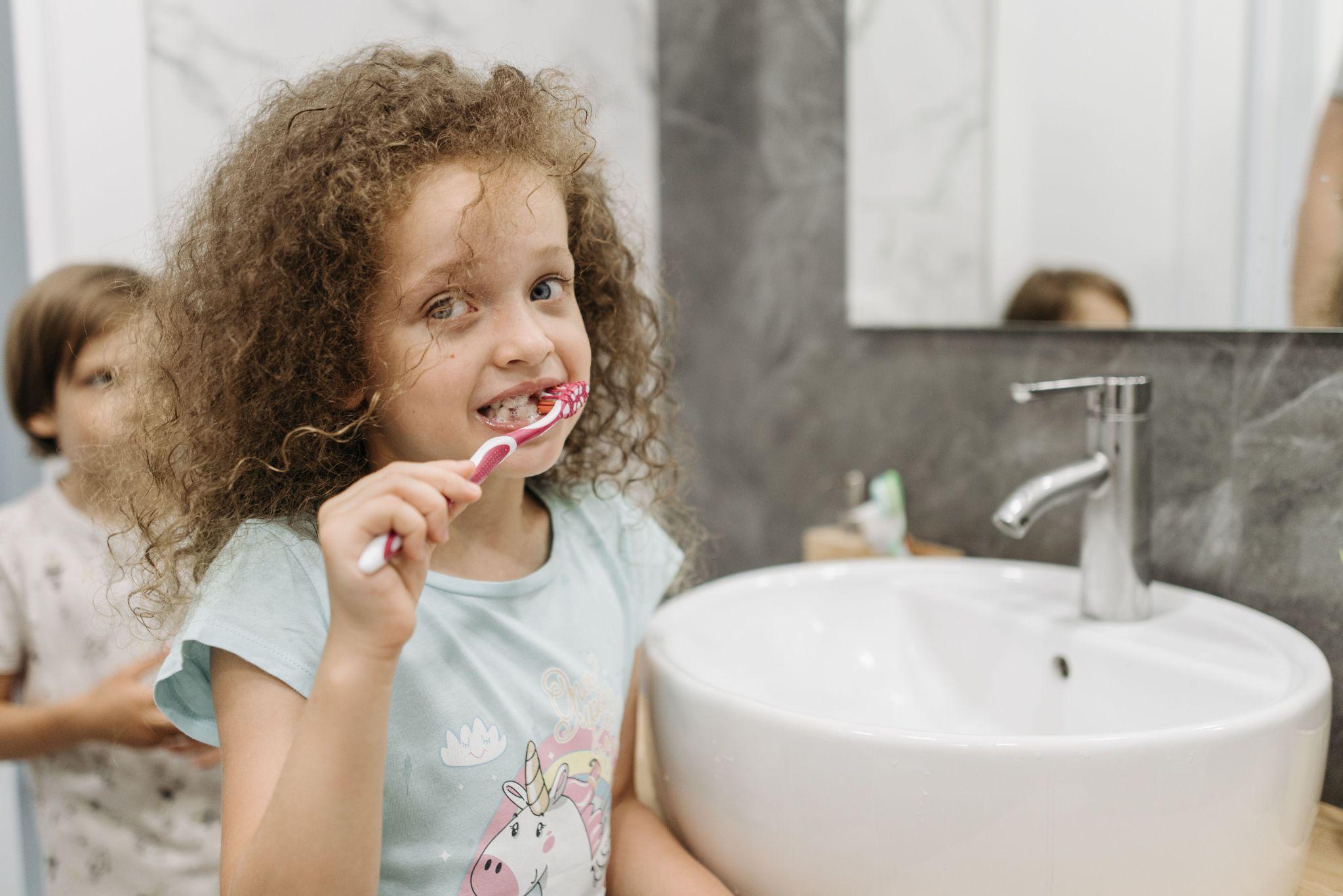
Knowing when to introduce fluoride and how much to use can be confusing for parents, especially as their children's teeth develop.
Fluoride for kids helps strengthen tooth enamel, protect against acid attacks and reduce the risk of tooth decay. In Australia, children can generally start using low-fluoride toothpaste at 18 months of age and switch to regular-strength toothpaste at six years.
However, the amount of fluoride a child needs depends on their age, exposure to fluoridated water and individual dental health. Understanding these factors can help parents establish safe brushing habits and make informed decisions about preventive treatments.
Key Takeaways
- +Clean baby teeth with water before 18 months, use low-fluoride toothpaste from 18 months and switch to regular-strength toothpaste from six years
- +A small, pea-sized amount of toothpaste is enough, with an adult supervising and the child spitting out rather than rinsing
- +Fluoridated tap water helps protect teeth, while some bottled, tank and filtered water may provide less fluoride
- +Dental fluorosis is linked to repeated excess fluoride while adult teeth are developing, not to the correct use of age-appropriate products
Why do kids need fluoride?
Fluoride is a natural mineral that helps protect children's teeth against decay by making enamel more resistant to acid attacks. It also supports remineralisation, a natural process that repairs early mineral loss before a cavity forms.
How fluoride protects tooth enamel
When bacteria in the mouth break down sugars from food and drinks, they produce acids that weaken enamel. Repeated acid exposure can eventually cause tooth decay.
Fluoride strengthens enamel by supporting the replacement of lost minerals. Regular exposure to appropriate amounts of fluoride helps prevent cavities and supports the development and maintenance of strong teeth.
Is fluoride necessary for baby teeth?
Baby teeth benefit from fluoride protection because they are susceptible to decay from the moment they erupt. Healthy primary teeth support chewing, speech development and the maintenance of space for permanent teeth.
Establishing good brushing habits early also helps children maintain better oral health as their adult teeth come through.
How much fluoride for kids is safe at each age?
The appropriate amount of fluoride depends on a child's age and risk of tooth decay. Australian guidelines generally recommend cleaning baby teeth with water before 18 months, introducing low-fluoride toothpaste from 18 months and switching to regular-strength products at six years.
The following table summarises age-appropriate options based on Australian fluoride guidelines.
| Age or dental need | Recommended option | Fluoride concentration | Amount or application | Where to access |
|---|---|---|---|---|
| First tooth to 17 months | Water and soft toothbrush | No added fluoride toothpaste | Gentle brushing with water | Supermarkets and pharmacies |
| 18 months to 5 years | Low-fluoride children's toothpaste | 500 to 550 ppm | Small, pea-sized amount | Supermarkets and pharmacies |
| 6 years and older | Regular-strength fluoride toothpaste | 1,000 to 1,500 ppm | Small, pea-sized amount | Supermarkets and pharmacies |
| Children with an elevated risk of decay | Professional fluoride varnish | Commonly 22,600 ppm | Professionally applied | Dental clinics |
ppm means parts per million. A dental professional may recommend a different fluoride routine for children at higher risk of decay.
Babies under 18 months
Brushing should begin as soon as the first tooth appears, typically around six months of age. Parents can use a small, soft-bristled toothbrush and water to gently clean the teeth and surrounding gums once or twice a day.
Earlier introduction of fluoridated toothpaste may be recommended for babies with an elevated risk of decay following a professional assessment.
Children aged 18 months to 5 years
Children in this age group should generally use a pea-sized amount of low-fluoride toothpaste twice a day. Products containing 500 to 550 ppm provide protection while limiting unnecessary fluoride ingestion.
An adult should dispense the toothpaste, supervise brushing and encourage the child to spit out the excess without swallowing or rinsing with water.
Children aged six years and older
From the age of 6, children can generally switch to regular-strength toothpaste containing 1,000 to 1,500 ppm of fluoride. This provides ongoing protection as permanent teeth begin to emerge.
Children should brush twice a day and spit out excess toothpaste without rinsing immediately afterwards. Adult supervision should continue until children can clean their teeth effectively on their own.
Do children get enough fluoride from drinking water?
Fluoridated drinking water provides regular, low-level exposure to fluoride that helps protect teeth against decay. However, drinking tap water does not replace the need for age-appropriate toothpaste and regular brushing.

Fluoride in drinking water
Water fluoridation is the controlled adjustment of naturally occurring fluoride to a concentration that helps prevent tooth decay. Many Australian public water supplies are fluoridated as a preventive health measure for children and adults.
The National Health and Medical Research Council (NHMRC) supports community water fluoridation within Australia's recommended range of 0.6 to 1.1 mg of fluoride per litre.
Does bottled water contain fluoride?
Some brands of bottled water may not contain fluoride at concentrations comparable to fluoridated tap water. The amount varies depending on the water source and whether fluoride has been added.
Families whose children regularly drink bottled water should check the product label. For children aged six months and older, fluoridated tap water is a suitable choice where available and safe to drink.
What about filtered and tank water?
Rainwater tanks and some household filtration systems may provide less fluoride than fluoridated public water supplies. Reverse osmosis systems, for example, can remove fluoride from water.
Consider two children of the same age who follow identical brushing routines. A child who exclusively drinks non-fluoridated tank water may receive less fluoride overall than a child who regularly drinks fluoridated tap water.
Understanding these differences helps dental professionals determine whether additional preventive care is appropriate.
What is dental fluorosis, and how can it be prevented?
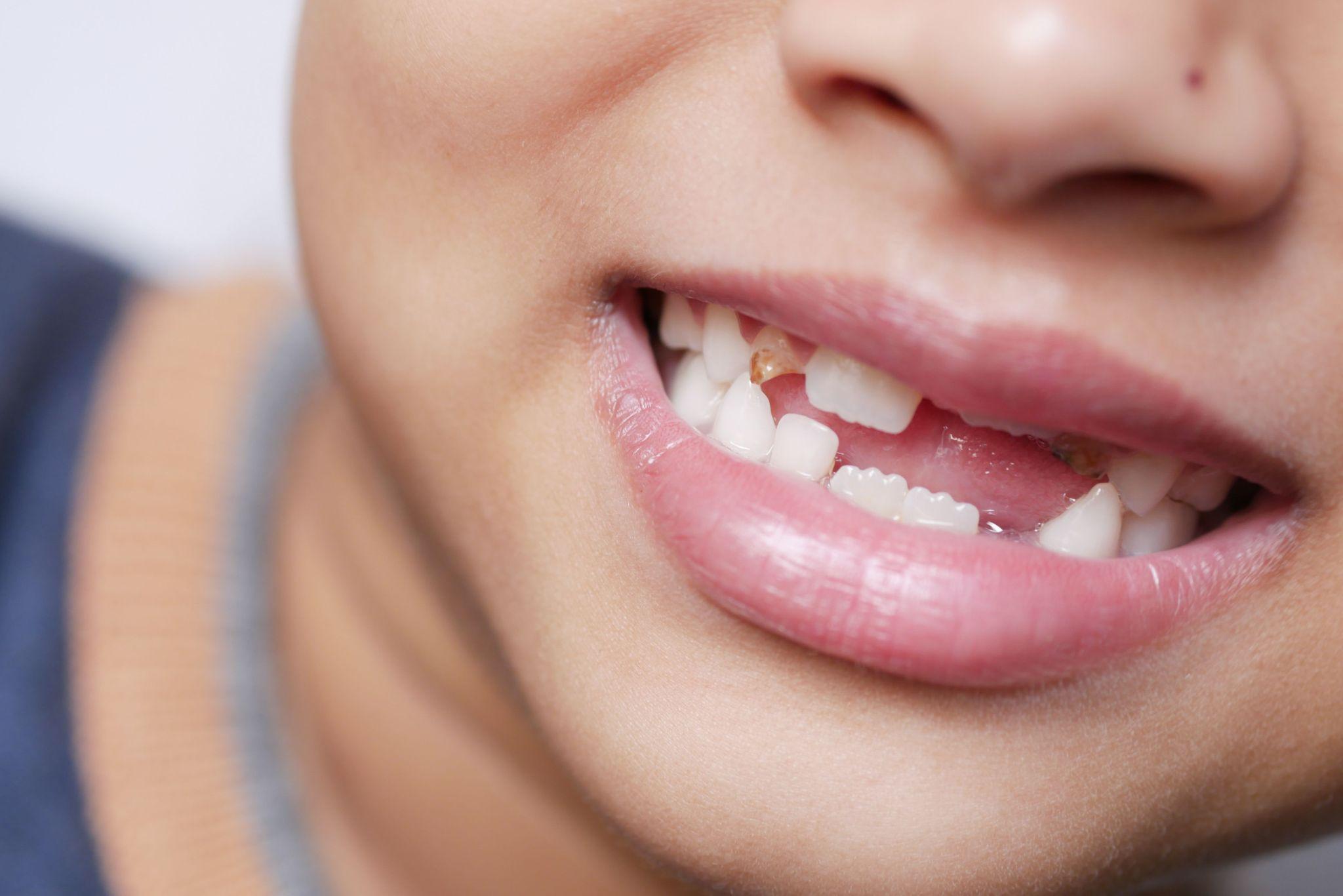
Dental fluorosis is a change in the appearance of tooth enamel caused by excessive fluoride ingestion while permanent teeth are developing. Mild fluorosis typically appears as faint white streaks or markings on the teeth.
The risk of developing fluorosis is associated with repeated excessive exposure during childhood rather than the correct use of age-appropriate dental products.
Signs a child may be getting too much fluoride
Dental fluorosis may become noticeable when permanent teeth erupt. Depending on its severity, the visible changes may include:
- +Fine white lines across the enamel.
- +Small, cloudy white patches on the teeth.
- +Brown discolouration or surface irregularities in more severe cases.
Not all white markings indicate fluorosis. Early decay and other enamel development conditions can produce similar changes and require professional assessment.
How to reduce the risk of dental fluorosis
Parents can minimise unnecessary fluoride ingestion without removing the mineral's protective benefits from their child's daily routine.
Recommended practices include:
- +Using toothpaste with an age-appropriate fluoride concentration.
- +Supervising children as they brush their teeth.
- +Encouraging children to spit rather than swallow.
- +Keeping toothpaste and concentrated dental products out of reach.
- +Avoiding fluoride supplements.
The right amount of fluoride provides preventive benefits while limiting unnecessary exposure during tooth development.
When do children need professional fluoride treatments?
Professional topical fluoride treatments can provide additional protection for children who have an increased risk of developing tooth decay. A dental assessment helps determine whether treatment is necessary based on existing decay, dietary habits, enamel condition and fluoride exposure at home.

Fluoride varnish
Fluoride varnish is a concentrated protective treatment painted onto the surfaces of the teeth, including the top and sides. It helps teeth absorb fluoride and supports remineralisation of weakened enamel.
Australian guidelines recommend professional applications for children at elevated risk of decay. Depending on individual circumstances, treatment may be recommended up to four times a year.
Fluoride supplements
Fluoride supplements, including products supplied as drops or tablets, are not recommended under Australian Dental Association policy.
Children living in areas without fluoridated water may benefit from individually tailored preventive care rather than supplements. A dentist may recommend adjusting toothpaste use or introducing professional topical fluoride treatments following an examination.
Fluoride mouth rinses
Fluoride mouth rinses may provide additional protection for older children who have an elevated risk of decay and can reliably spit out the liquid.
Children younger than six should generally avoid these products because of the increased likelihood of swallowing them. Professional advice should guide their use.
How can parents tell whether a child is getting enough fluoride?
A child's fluoride exposure can be assessed by considering their age, daily brushing routine, primary drinking water source and history of dental decay. There is no single toothpaste quantity or fluoride treatment schedule that suits every child.
Parents can review the following factors before seeking professional advice:
- +Age: Is the toothpaste concentration appropriate for the child's age?
- +Quantity: Is the amount of fluoride toothpaste being used appropriate?
- +Brushing habits: Can the child spit reliably without swallowing?
- +Water source: Does the household's primary water supply provide fluoride?
- +Dental health: Has the child experienced recurring decay or enamel problems?
A dental check-up allows these factors to be assessed together. Children with a higher risk of decay may require a different preventive routine from those with healthy teeth and adequate fluoride exposure.
Build healthy dental habits with safe fluoride use
Fluoride is safe when used appropriately and plays a valuable role in keeping children's teeth healthy. Age-appropriate toothpaste, supervised brushing, fluoridated water and preventive dental visits work together to reduce tooth decay while limiting excessive fluoride ingestion.
At The Caddens Dental Bar, we provide gentle dentistry for children in Penrith, including preventive examinations, fluoride treatments and personalised brushing advice. We help families establish dental habits suited to each stage of their child's development.
Contact our friendly team today for personalised advice on fluoride and your child's dental health.
Common Questions
Related
Please note: This article is general information, not personal dental or medical advice. Fluoride needs differ between children, so follow the advice of your dental professional. If a child may have swallowed a large or unknown amount of fluoride product, call the Poisons Information Centre on 13 11 26.