Gum Health
Bleeding Gums: What the Pattern Is Telling You (and Why You Shouldn't Stop Brushing)
Written by: The Caddens Dental Bar Team · Updated September 2026 · 7 min read
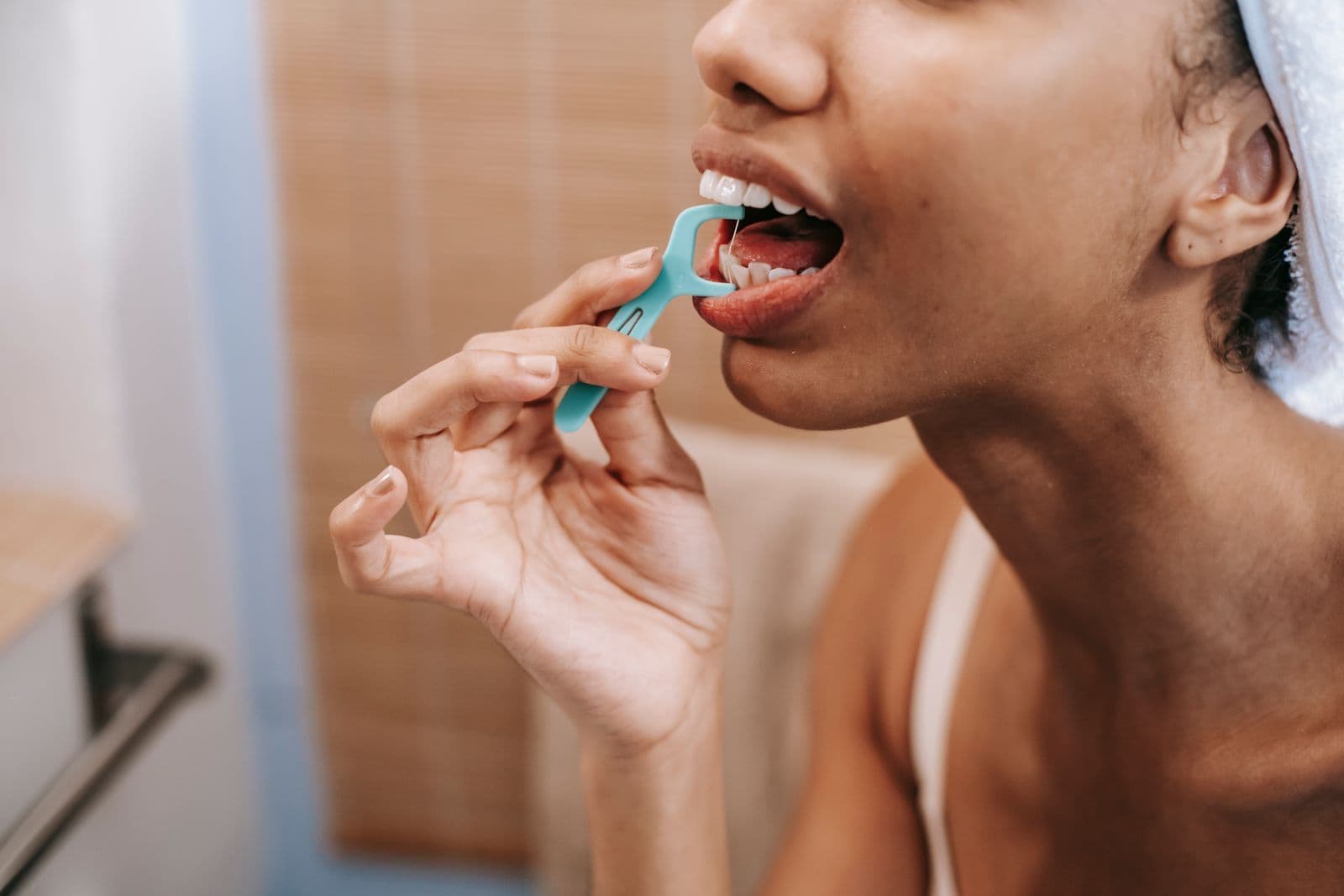
Most people notice a little pink in the sink at some point and decide it is nothing.
Sometimes it is nothing — but gums that keep bleeding are usually telling you something about plaque, technique or your health.
Here's how to read the pattern, what's safe to do at home, and when it's time to book a check-up.
Key Takeaways
- +Bleeding after brushing can be a sign of gum disease, according to Healthdirect, which puts moderate to severe gum disease at roughly three in every ten Australian adults
- +Keep brushing gently twice a day with a soft toothbrush even if your gums bleed, and floss every day
- +The usual culprit is plaque along the gumline; hardened plaque (tartar) can only be removed by a dental professional
- +Bleeding in the mouth that is frequent or heavy should be seen by a dentist or doctor
- +A check-up and clean at The Caddens Dental Bar is a flat $129, including X-rays if needed
The Counterintuitive Rule: Don't Stop Brushing
When gums bleed, the instinct is to avoid the sore spot. Healthdirect's advice is the opposite: even if brushing causes bleeding, keep brushing gently twice a day with a soft toothbrush and fluoride toothpaste, and floss every day.
The reason is plaque — a sticky layer of bacteria whose germs irritate the gums and make them bleed easily. Skipping the cleaning just leaves it there to keep irritating them. If the bleeding keeps coming back despite gentle, consistent cleaning, it's time to have it looked at.
Reading the Pattern: What Your Bleeding Might Mean
According to Healthdirect, the usual causes of bleeding in the mouth are gum disease, dental treatment or surgery, and injury, while mouth ulcers, infections and other conditions can also be responsible. The pattern often points to which.
Blood on the brush most days, gums red or puffy
This is the classic picture of gingivitis — the early stage of gum disease, caused by plaque building up along the gumline. Healthdirect says the gums become red and swollen and may bleed easily when you brush, and bad breath can come with it. At this stage it's reversible with a professional clean and good daily cleaning.
Blood only when you restart flossing
If bleeding follows a long gap between flossing, inflamed gums are often the reason. Carry on gently every day and see whether it eases as the gums settle. If it doesn't, have it checked.
Bleeding with receding gums, bad breath or a loose tooth
These can point to periodontitis, the advanced stage of gum disease. Healthdirect describes gum recession, sensitive teeth, bad breath and loose teeth, and notes it can cause pain or discomfort when biting. Don't wait — our gum disease treatment guide explains what comes next.
Bleeding after dental work or a knock
Some bleeding after a tooth extraction, a crown procedure or an injury is expected. Healthdirect's advice is to press a clean cloth or gauze firmly over the area, avoid putting your fingers in your mouth and avoid rinsing, and see a dentist if it won't stop. Avoid strenuous activity, hot drinks and hard foods in the meantime.
Frequent or heavy bleeding with no obvious reason
Healthdirect advises seeing a dentist or doctor if mouth bleeding is frequent or heavy. Tell them about any medicines you take, and talk to your doctor before changing or stopping a prescribed medicine.
What You Can Safely Do at Home
Home care helps when plaque is the cause, but it can't remove hardened plaque. Healthdirect's own tips for preventing bleeding gums include:
- +Brushing gently with a soft toothbrush and fluoride toothpaste — twice a day at minimum, and Healthdirect suggests after every meal if you can, or rinsing your mouth when you can't
- +Using dental floss every day — ask your dentist to show you how if you are unsure
- +Avoiding foods and drinks high in sugar
- +Avoiding or limiting smoking, vaping and alcohol
- +Eating a healthy, balanced diet
- +Visiting your dentist for regular check-ups
When It's Time to See a Dentist
Bleeding doesn't have to hurt to matter. Healthdirect suggests seeing your dentist or doctor if the bleeding in your mouth is frequent or heavy, or if you notice:
- +A sore or ulcer that hasn't healed within 2 weeks
- +Difficulty swallowing or speaking
- +Red or white patches in your mouth
- +Swelling or numbness in or around your mouth
- +Signs of infection, such as a temperature of 38°C or higher
- +Any change in your mouth that you're worried about
When it is an emergency
Bleeding you can't control, or any difficulty breathing or swallowing, means calling 000 or heading to the nearest emergency department. For severe or rapidly worsening gum pain, our emergency dentistry team keeps daily appointments free for urgent cases.
A Quick Guide: What Your Pattern Might Mean
This isn't a diagnosis — only an examination can tell you what is behind the bleeding — but it shows how dentists think about the common patterns.
At The Caddens Dental Bar a check-up, clean and polish is a flat $129, including X-rays if needed, and most health funds can process your rebate on the spot through HICAPS. That visit is the quickest way to learn whether plaque, tartar or something more advanced is responsible.
| What you notice | What it often points to | Sensible next step |
|---|---|---|
| Blood on the brush, gums red or puffy | Plaque-related gingivitis | Gentle daily cleaning and a professional clean |
| Bleeding that keeps returning despite good cleaning | Hardened tartar or established gum disease | Book a check-up and gum assessment |
| Bleeding with receding gums, bad breath or a loose tooth | Possible periodontitis | Book promptly for a gum assessment |
| Bleeding after a procedure or injury | Expected to some degree | Firm pressure with clean gauze; see a dentist if it won't stop |
| Frequent or heavy bleeding with no clear cause | Needs investigating | See a dentist or doctor |
Before Your Appointment
A few notes make it easier for us to find the cause.
- +Note when the bleeding happens — brushing, flossing, eating or on its own — and how long it's been going on
- +List any medicines you take, and any health conditions such as diabetes
- +Mention if you are pregnant or have recently had dental work
- +Keep brushing and flossing gently until your visit — don't skip them
- +Tell us if you smoke or vape, so our advice fits your situation
- +Bring your health fund card for an on-the-spot HICAPS claim
Common Questions
Related
Please note: This article offers general information only and cannot replace seeing a dentist. Should bleeding be heavy or refuse to stop, or if breathing or swallowing becomes difficult, call 000 or head to the nearest emergency department.