Emergency Dentistry
Chipped a Tooth? What to Do in the First Hour, and How It Gets Fixed
Written by: The Caddens Dental Bar Team · Updated September 2026 · 7 min read
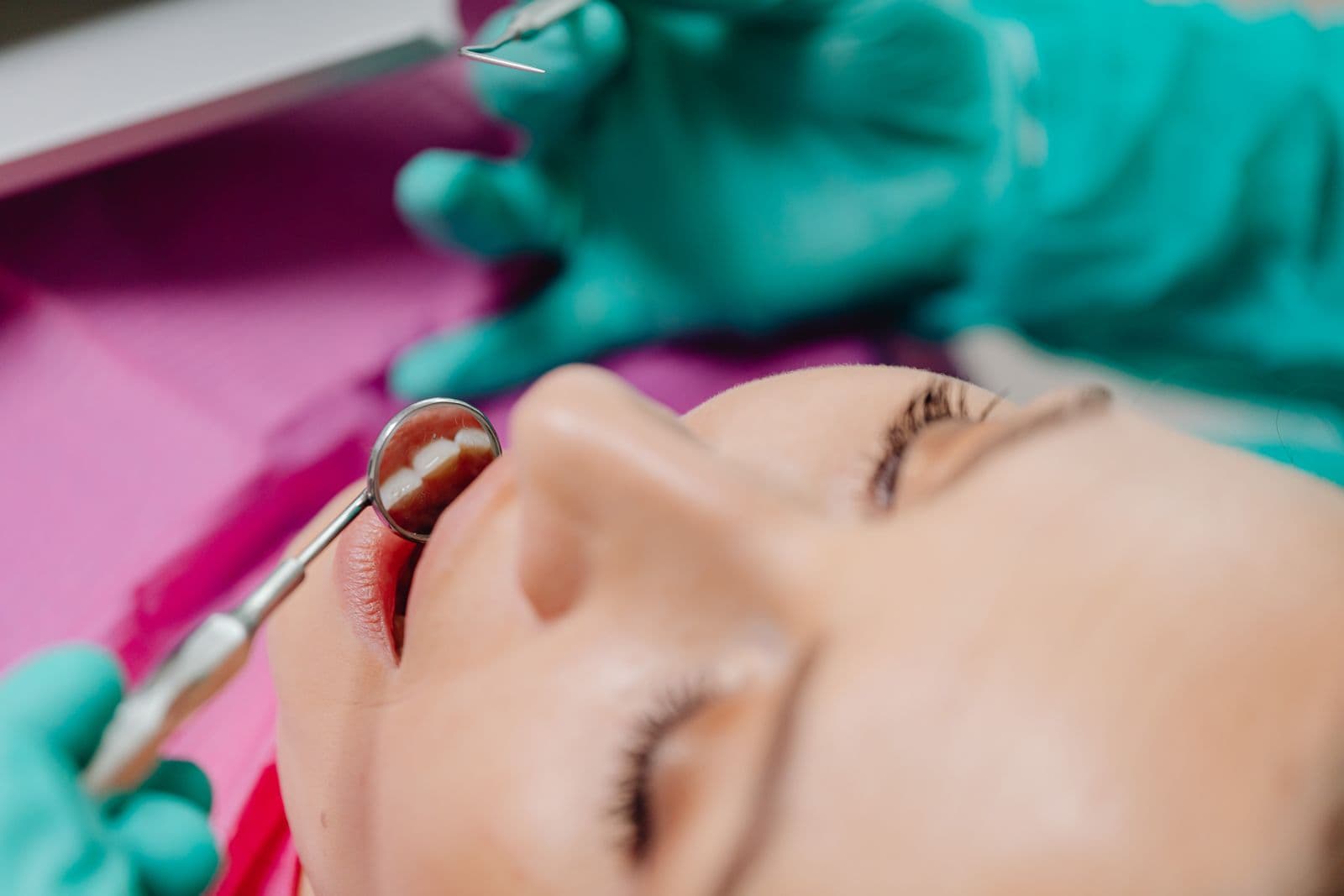
A chipped tooth usually happens in half a second — a hard lolly, a fall, an unexpected bite on something that was never meant to be hard.
Sometimes it's a rough edge you can barely feel, and sometimes the break runs deep enough to expose the nerve.
Here is what to do in the first hour, how to read how serious it is, and how each repair option works.
Key Takeaways
- +Even a chip that doesn't hurt should be seen by a dentist — Healthdirect advises seeing one after any dental injury, because you can't always see all the damage
- +If a piece has broken off, keep it moist in milk or sterile saline and take it with you
- +Treatment is matched to the damage: a tooth-coloured filling for small chips, a veneer or crown for bigger ones, and root canal treatment if the pulp is injured
- +Trouble breathing or swallowing, a very swollen mouth or tongue, or blood running down your throat means 000 or the nearest emergency department — not a dental clinic
- +We keep daily appointments free for urgent cases and never charge an emergency surcharge
The First Hour: What to Do Right Now
The goal in the first hour is simple: protect the tooth, save any piece that has come off, and get seen.

- +If a piece has broken off, keep it moist in milk or sterile saline and bring it with you
- +If there is bleeding, press a clean towel or dressing against the area
- +For swelling, hold a cold pack wrapped in a cloth against the outside of your face — never directly on the skin
- +Eat soft foods and chew on the other side until you've been seen
- +Don't test the tooth by biting on something hard
- +Take simple pain relief such as paracetamol if you need it, and avoid high doses of aspirin, which can increase bleeding
Reading the Damage: Minor, Moderate or Serious
Not every chip is an emergency, but you can't always judge by looking. Healthdirect points out that you might not be able to see all the damage to your teeth or mouth, which is why it advises seeing a dentist after any injury.
Minor: a rough edge and no pain
A small chip in the outer enamel often feels like a sharp or uneven edge and may not hurt at all. It still deserves a check — a dentist can smooth or restore it before it catches your tongue, chips further or lets decay in.
Moderate: sensitivity or pain when you bite
If cold air, hot drinks or biting hurt, the break may have reached the softer layer underneath, or the pulp — the inside of the tooth, where the nerve lives. Book promptly: an X-ray shows how far it goes. If the break has reached the pulp, Healthdirect says root canal therapy may be needed.
Serious: loose, displaced or heavily bleeding
A tooth that has moved or feels loose needs to be seen straight away. Your dentist can hold it steady with a splint, or bond it to the tooth beside it, while it heals. Call 000 or head to an emergency department if breathing, speaking or swallowing becomes difficult, if heavy bleeding is flowing into your throat, or if your mouth or tongue swells badly.
How Each Repair Option Works
The right fix is set by how much sound tooth structure is left and whether the pulp is involved, not by how the chip looks. Here is how the options we offer line up.
A tooth-coloured filling
For a small chip, the lost corner can often be rebuilt in a single visit with shade-matched composite, which is shaped, set with a light and polished. We only use tooth-coloured materials and never amalgam. See our tooth fillings page.
A veneer for a front tooth
When a front tooth has a larger chip, or its shape and colour need improving as well, a veneer is a thin shell bonded over the front of the tooth. Composite veneers can be completed in one appointment; porcelain veneers are made in a lab and bonded at a second visit. See veneers.
A crown for a bigger break
When a lot of tooth structure has been lost, a crown fits over the whole tooth to restore its strength and shape — Healthdirect lists a cracked or broken tooth as a reason for fitting one. Ours are crafted by Sydney ceramicists and usually take two appointments. See dental crowns.
Root canal treatment when the nerve is involved
If the break has injured the pulp, root canal treatment removes the damaged tissue so the tooth can be kept, and a crown usually follows to protect it. Emergency root canal treatment is available same day. See root canal treatment.
When a tooth can't be saved
Very occasionally a tooth is too badly damaged to restore. If that happens we'll talk through the replacement options, such as a dental bridge or a dental implant.
Repair Options Side by Side
Costs depend on the tooth, the size of the break and the material used, so we quote after an examination. As a general guide, CHOICE, reporting 2022 Australian Dental Association fee survey data, puts a one-surface filling in a front tooth at about $167 on average (range $121 to $233) and a full veneered crown at about $1,678 on average (range $1,250 to $2,100). Veneers and more complex restorations are priced case by case.
No emergency surcharge applies if your chip needs urgent attention, and interest-free payment plans are available for larger treatment.
| Option | Best for | Typical visits |
|---|---|---|
| Tooth-coloured filling | Small to moderate chips and lost corners | One visit |
| Composite veneer | Chipped or uneven front teeth, finished in one sitting | One visit |
| Porcelain veneer | Front teeth where shape and colour both need refining | Two visits (made in a lab) |
| Crown | Larger breaks or weakened teeth | Two visits, usually 1–2 weeks apart |
| Root canal, then crown | A break that has injured the nerve | Typically two visits for the root canal, then the crown |
Before You Come In — and Protecting Your Teeth Next Time
A few minutes of preparation helps us help you faster, and a little prevention goes a long way.
- +Bring any piece that broke off, stored in milk or sterile saline
- +Note when it happened, what you were doing, and whether it's sensitive to hot, cold or biting
- +Bring your health fund card for an on-the-spot HICAPS claim
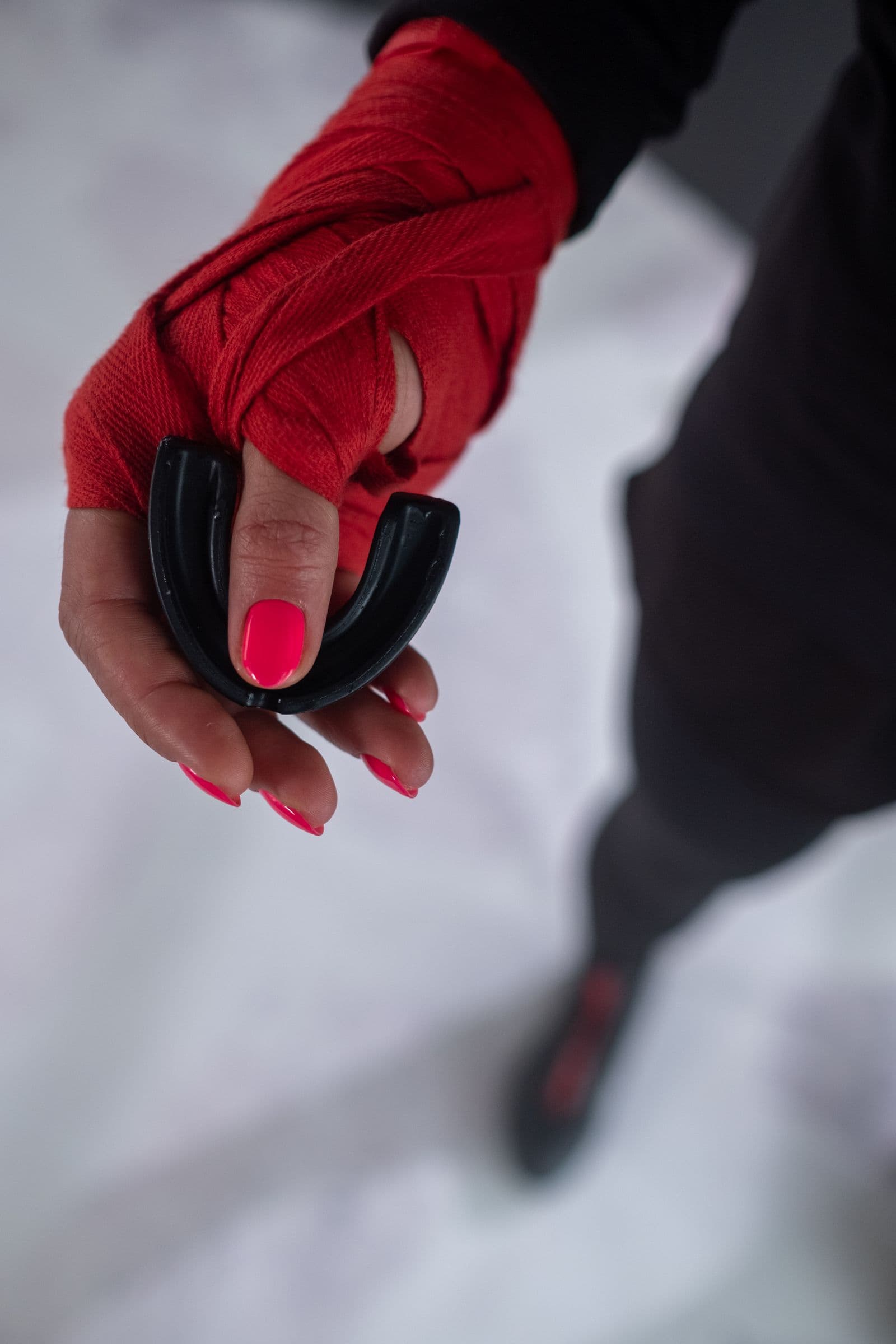
- +If you play contact sport, or ride, skate or climb, ask your dentist whether a custom-made mouthguard is right for you — Healthdirect recommends one made by your dentist for these activities
- +Replace any mouthguard that shows signs of wear or damage
- +Avoid using your teeth as tools for packets and bottle tops, or for crunching ice and hard lollies
Common Questions
Related
Please note: This article gives general information only and cannot replace an examination. If breathing or swallowing becomes difficult, heavy bleeding is flowing into your throat, or your mouth or tongue swells badly, call 000 or head to the nearest emergency department.